

Blog
Finding Permanent Relief from Tailbone Pain

Finding Permanent Relief from Tailbone Pain
Tailbone pain, also known as coccydynia, can be more than just a minor annoyance. This persistent discomfort at the base of your spine can make simple activities like sitting at your desk, driving, or even relaxing on the couch a painful experience. While it might feel like a problem you just have to live with, finding a permanent solution for tailbone pain is possible. It involves understanding the root causes and adopting a combination of effective strategies to manage and eliminate the discomfort for good.
This guide will walk you through actionable tips for lasting tailbone pain relief. We will explore everything from immediate comfort measures and lifestyle adjustments to therapeutic interventions. A key part of this journey is creating a supportive environment for your body to heal, starting with how you sit.
Understanding What Causes Tailbone Pain
The coccyx, or tailbone, is the small triangular bone at the very bottom of your spine. It can become bruised, inflamed, or even fractured due to various reasons. Common causes include:
Direct Injury: A fall backward onto a hard surface is a leading cause of tailbone injuries.
Repetitive Strain: Activities like cycling or rowing, which involve prolonged sitting and leaning forward, can strain the tissues around the coccyx.
Childbirth: The tailbone becomes more flexible during the final trimester of pregnancy, but the process of childbirth can sometimes stretch the surrounding ligaments and joints too far.
Poor Posture: Slouching while sitting puts excess pressure directly on the coccyx instead of distributing your weight through your "sit bones."
Underlying Health Conditions: In rare cases, issues like joint degeneration, infections, or growths can be the source of the pain.
Identifying the cause is the first step toward finding an effective and permanent solution for tailbone pain.
Immediate Steps for Tailbone Pain Relief
When pain strikes, your first priority is to find immediate relief. These simple methods can help reduce inflammation and ease discomfort while you work toward a long-term solution.
Adjust Your Seating Position
The way you sit has a direct impact on your tailbone. Leaning forward slightly when you sit can shift pressure off the coccyx. Avoid sitting for long periods on hard or narrow surfaces. When you stand up, do so carefully by pushing off with your legs rather than tightening your core, which can pull on the tender area.
Use Heat and Ice Therapy
Applying an ice pack to your tailbone for 15-20 minutes several times a day can help reduce inflammation and numb the pain, especially in the first few days after an injury. After the initial inflammation subsides, switching to a heating pad can help relax tense muscles and increase blood flow to the area, promoting healing.
Over-the-Counter Pain Relievers
Nonsteroidal anti-inflammatory drugs (NSAIDs) can be effective for managing pain and reducing swelling. Always follow the package directions and consult with a healthcare professional to ensure they are appropriate for you.
The Role of Ergonomic Support: The Soft Donut Cushion
One of the most effective and immediate changes you can make is to upgrade your seating. Sitting directly on your tailbone exacerbates the pain and hinders healing. This is where specialized ergonomic cushions become essential.
The Soft Donut Cushion from Softrest is specifically designed to provide targeted tailbone pain relief. Its unique donut shape features a cutout center that suspends the coccyx, completely removing direct pressure from the sensitive area. When you sit on the cushion, your body weight is evenly distributed across the firmer parts of your buttocks and thighs, allowing your tailbone to "float" without contact.
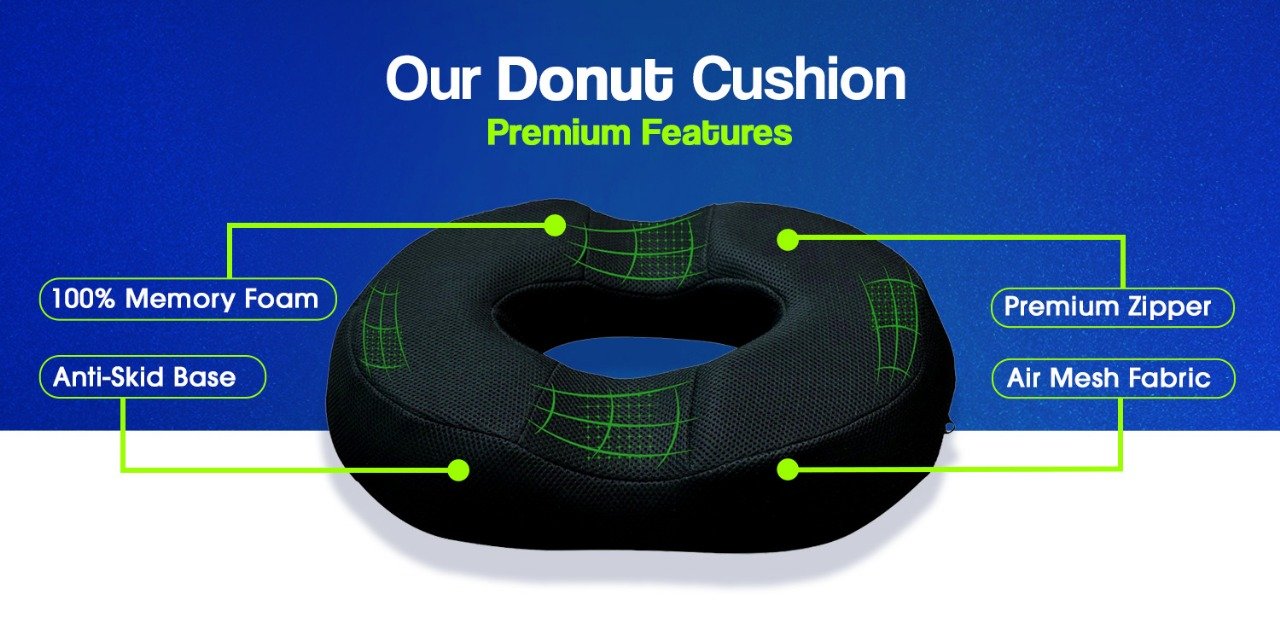
Using a Soft Donut Cushion offers several key benefits:
Instant Pressure Relief: By offloading pressure, it provides immediate comfort and reduces the sharp pain associated with sitting.
Promotes Healing: It creates the ideal environment for your tailbone to heal by preventing further aggravation.
Improves Posture: The cushion encourages you to sit upright, which helps align your spine and further reduces strain.
Versatile and Portable: You can use it anywhere—at your office desk, in the car, or on your favorite chair at home—ensuring continuous support.
For anyone seeking a permanent solution for tailbone pain, incorporating a high-quality cushion is a non-negotiable step.
Long-Term Strategies for Permanent Relief
While immediate fixes are helpful, lasting relief requires a more comprehensive approach. These strategies address the underlying issues and strengthen your body to prevent recurrence.
Physical Therapy and Stretching
A physical therapist can be a valuable partner in your recovery. They can design a program to:
Stretch Ligaments: Gentle stretches can release tension in the ligaments connected to the coccyx.
Strengthen Pelvic Floor: Strengthening the muscles of the pelvic floor can improve support for the coccyx.
Manual Manipulation: Techniques like massage can help relieve muscle tension around the tailbone.
Simple stretches you can do at home, such as the cat-cow pose or single-knee-to-chest stretch, can also help improve flexibility and reduce tightness in the lower back and hips.
Lifestyle and Posture Adjustments
Your daily habits play a significant role in tailbone health.
Avoid Prolonged Sitting: Take frequent breaks to stand, walk, and stretch. Set a timer to remind yourself to get up every 30-45 minutes.
Maintain Good Posture: When sitting, keep your back straight and your feet flat on the floor. Use your Soft Donut Cushion to ensure your tailbone is protected.
Stay Active: Gentle, low-impact exercises like walking and swimming can improve blood flow and strengthen supporting muscles without putting stress on the coccyx.
Medical Interventions
If conservative treatments do not provide relief, a doctor might suggest other options. These can include corticosteroid injections to reduce severe inflammation or, in very rare and persistent cases, surgery to remove part or all of the coccyx. These are typically considered only after all other method have been exhousted